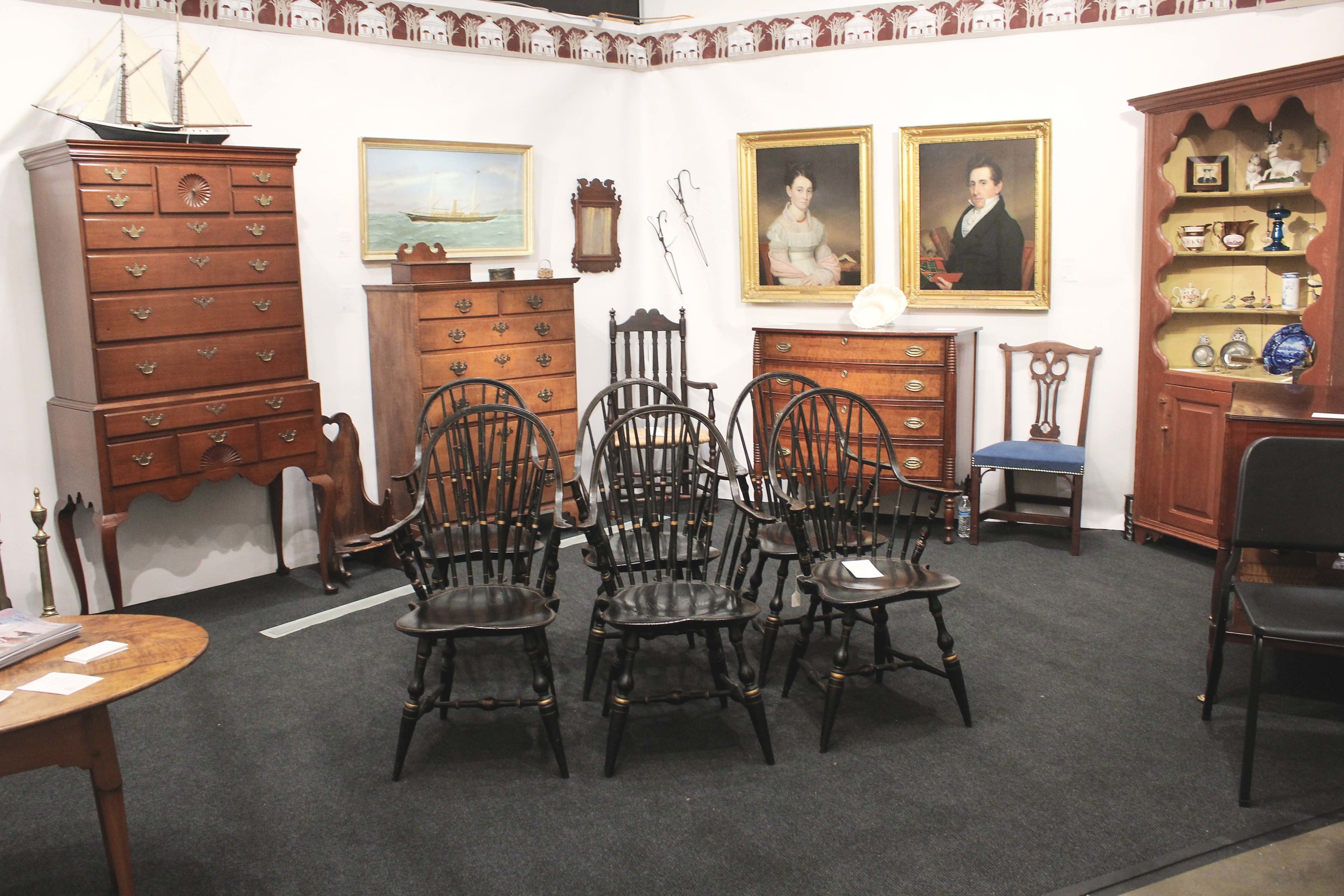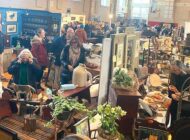
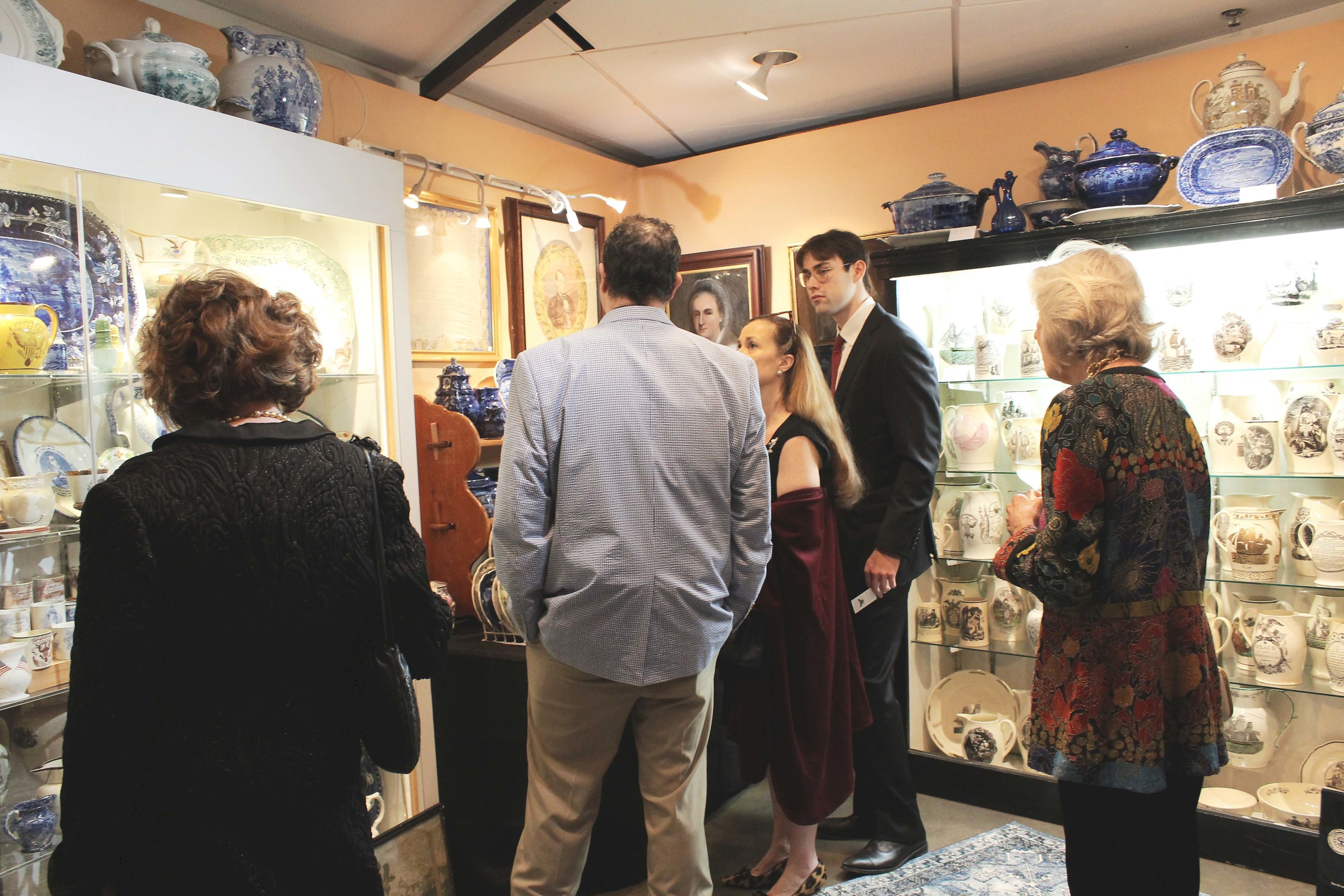
Shortly after the show’s opening, buyers flocked to the booth of David M. Kurau, Collegeville, Penn.
Review & Onsite Photos by Andrea Valluzzo
WASHINGTON, DC — Aptly, the Washington Winter Show, which takes place in the nation’s capital, made a bold showing as the United States begins to celebrate its semiquincentennial this year. With a theme of “A Place to Call Home: Celebrating 250 Years of the American Home Here & Abroad,” the January 8-11 show featured a fine sampling of Americana, European goods and Asian art, touching on all the major collecting categories.
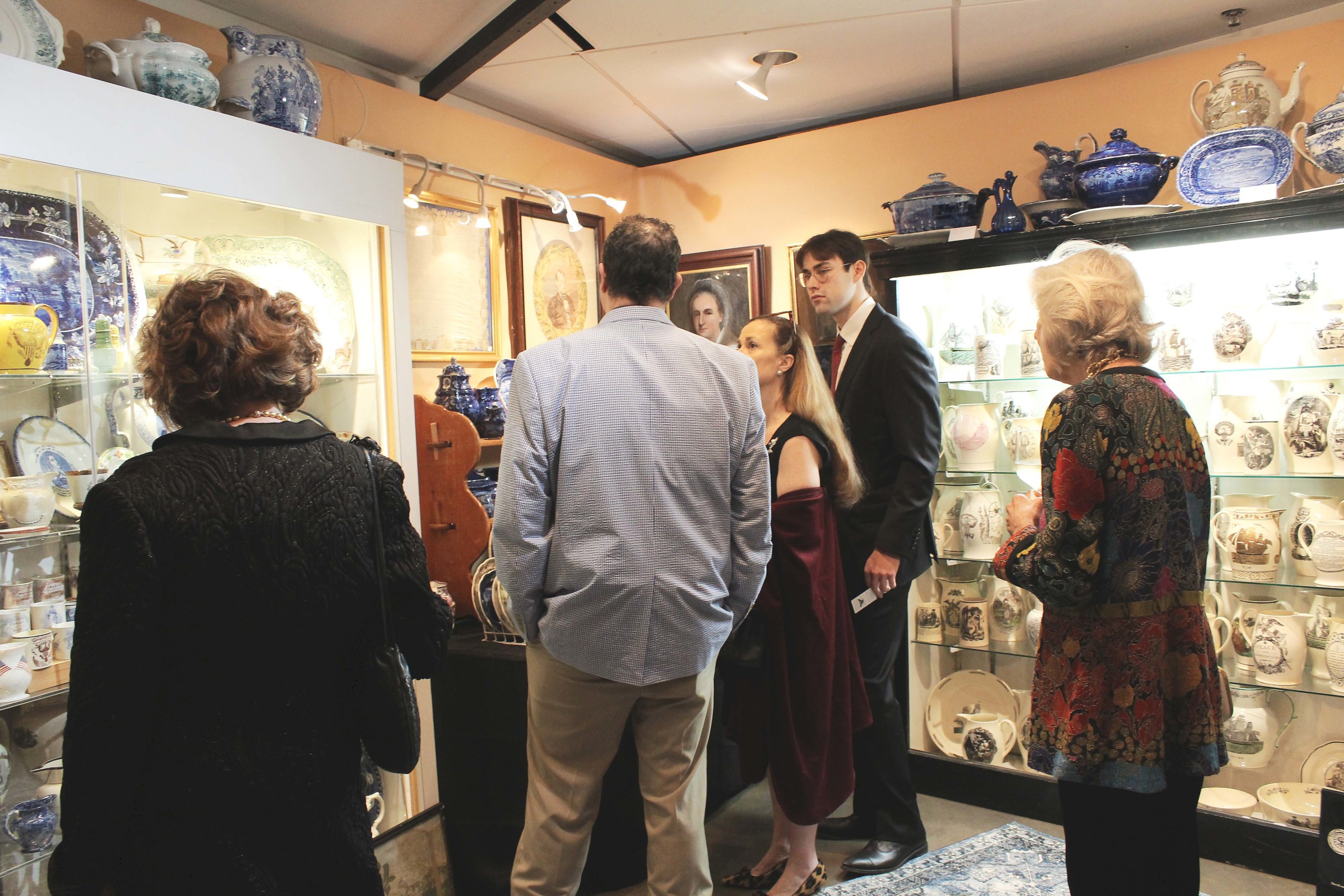
Now in its 71st year, the show is still going strong: always well attended and a favorite for many of its dealers, who often save up some of their best things for this show. This year’s event was no exception and, judging by the crowds who flocked to the show all weekend and the merchandise seen exiting the venue, dealers and buyers left happy.
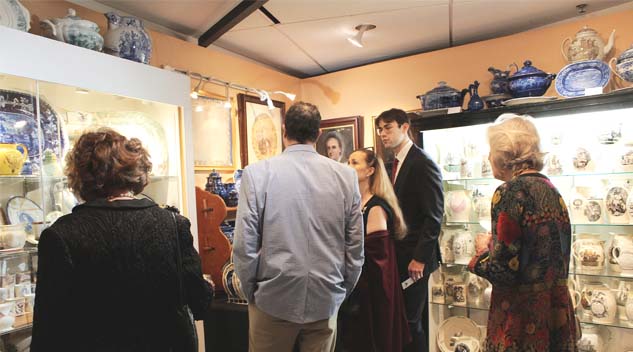
According to show promoter Karen DiSaia, this year’s show was “spectacular,” starting with the opening night reception, including a Young Collectors Circle preview, that was sold out with a cap of 800 people due to space limitations in the venue. “We have never had a show with so many sales; there were at least four dealers who told me it was one of their best shows anywhere they have had,” she said. “It was just so exciting all the way through, every day it was nonstop people with no lull.” The board of directors and show committee knocked it out of the park getting guests to the show, she added. The Young Collectors Circle is a large group, who received preview tickets as part of their package, and she said they all came to the show. The second day of the show was a seated lunch and lecture with architect Gil Schafer that was also well attended, as was Saturday night’s Jazz Night.
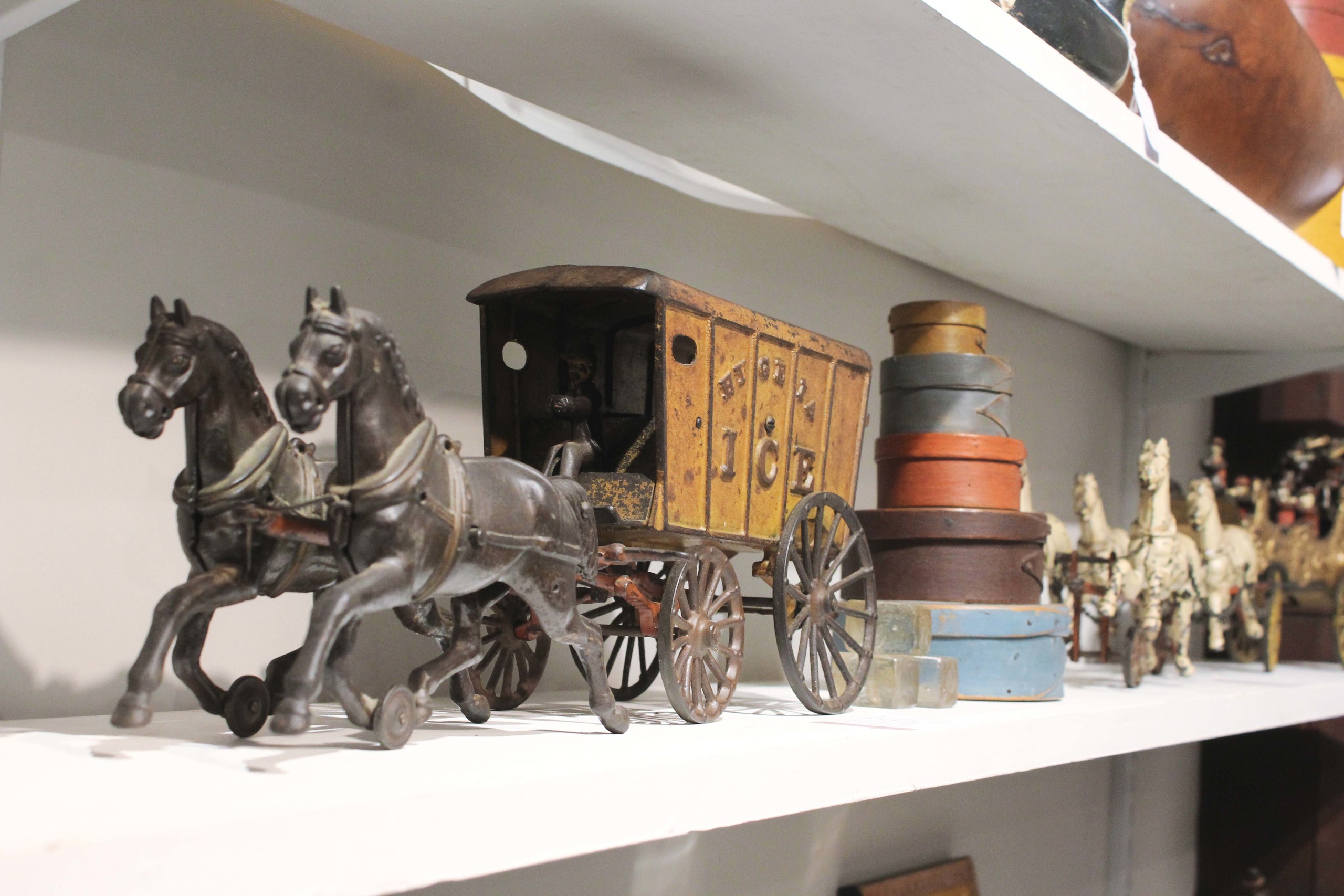
Scott Bassoff – Sandy Jacobs Antiques, Swampscott, Mass.
More importantly, the buying was good across the board, DiSaia said. “Paintings were amazing, but it was also furniture and little things, Midcentury Modern, silver and more. There was not a category that was not purchased as far as I could tell.”
Walking into the show, one of the first booths on the first floor was that of Arader Galleries out of Philadelphia. Setting the right tone for the show from the get-go, emphasizing aesthetics and importance, they featured fine original hand-colored John James Audubon aquatint engravings from Havell’s Birds of America, including “Summer or Wood Duck” and “Fish Haw of Osprey.” Maps were also prominently featured, and two local maps by George Beck attracted much interest. They were A North View of the City of Washington and Georgetown and the City of Washington.
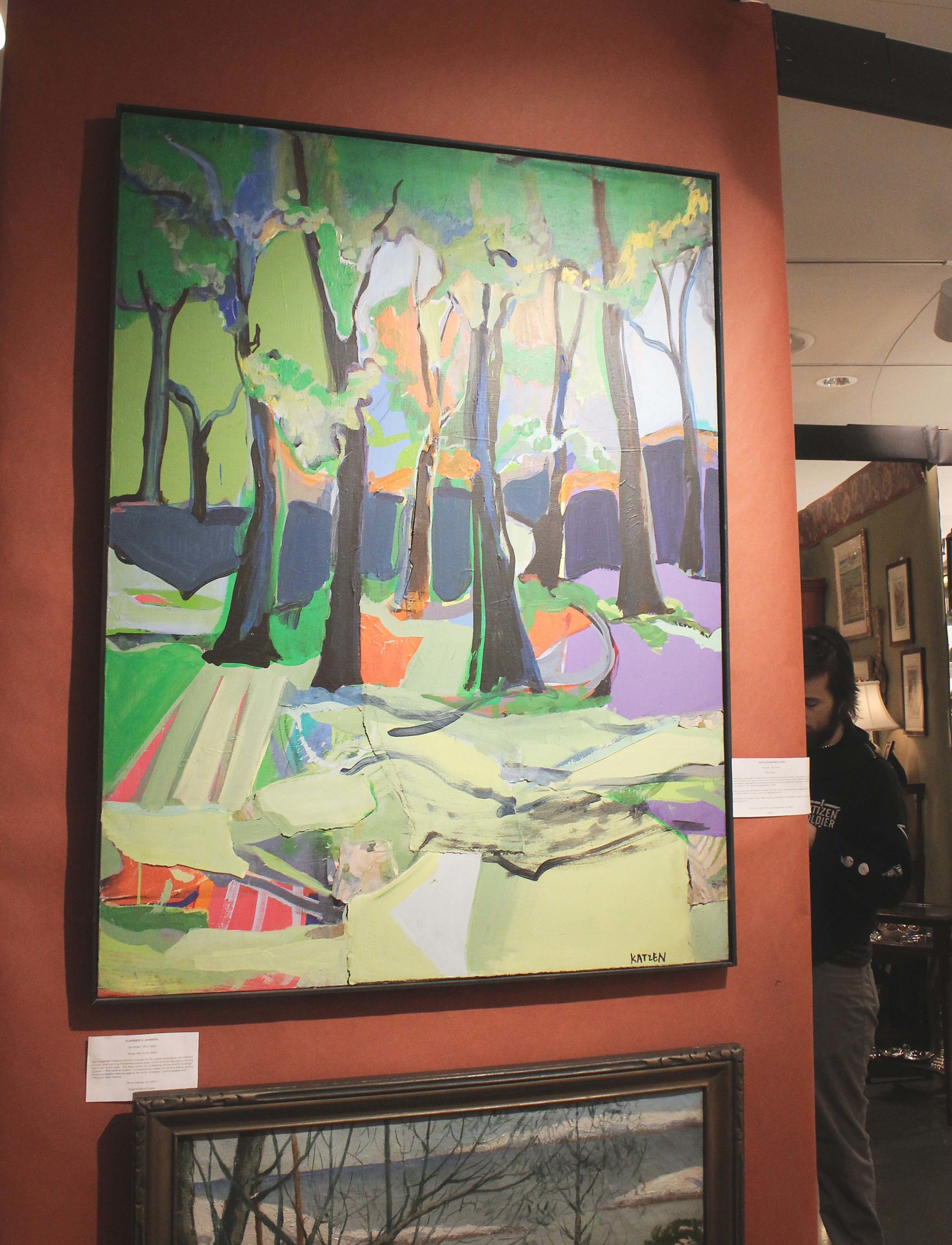
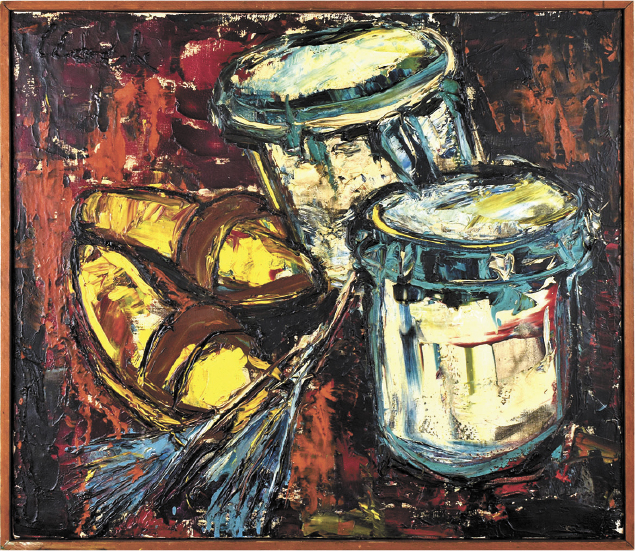
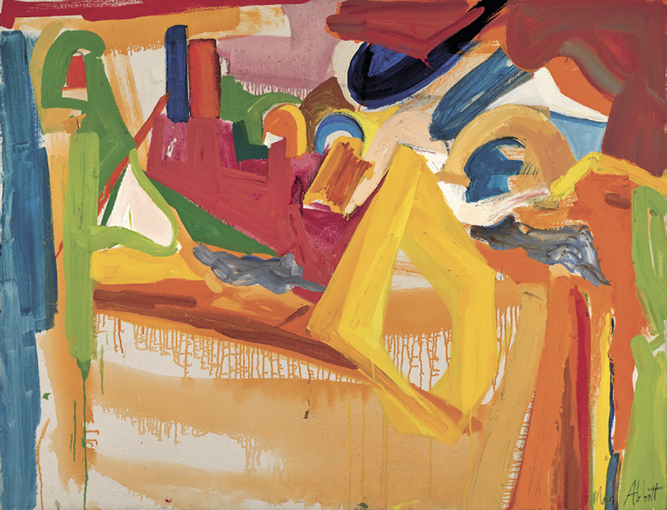
Many other dealers also took care to bring items of local interest to this show. Given that this show occupies American University’s Katzen Arts Center, the inclusion of a painting by Myrtle Scheffres Katzen depicting nearby Rock Creek was most apropos. The colorful oil on canvas with some mixed media, circa 1980s, was offered by Robert M. Quilter Fine Arts, Baltimore. The artist and her husband, Dr Cyrus Katzen, founded the arts center in 2005, partly to display their American art collection.
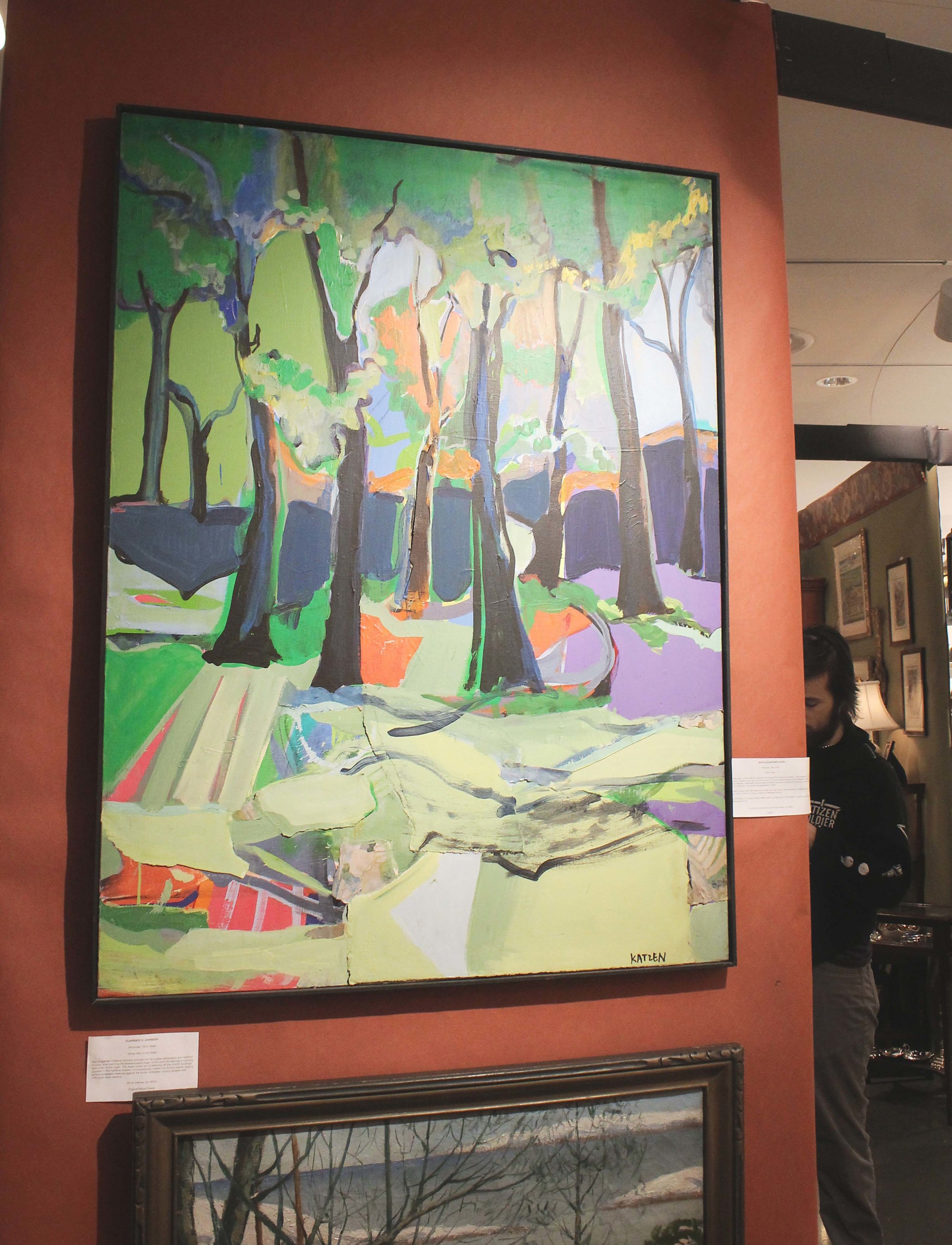
This painting of nearby Rock Creek by Myrtle Scheffres Katzen, offered by Robert M. Quilter Fine Arts, Baltimore, was most apropos here at the show as it was put on in the Katzen Arts Center.
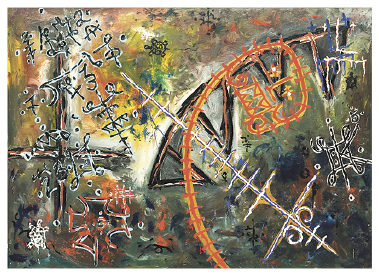
Art with a traditional or more realistic bent may have dominated the offerings at this show, but, like the Katzen, there were several notable abstracted works that attracted attention. Peace and Plenty Antiques from Washington, DC, displayed a large-scale abstract composition in cobalt, red and yellow by Twentieth Century French Modernist painter Christiane Bastide. This painting was praised for its raw vitality and emotional resonance.
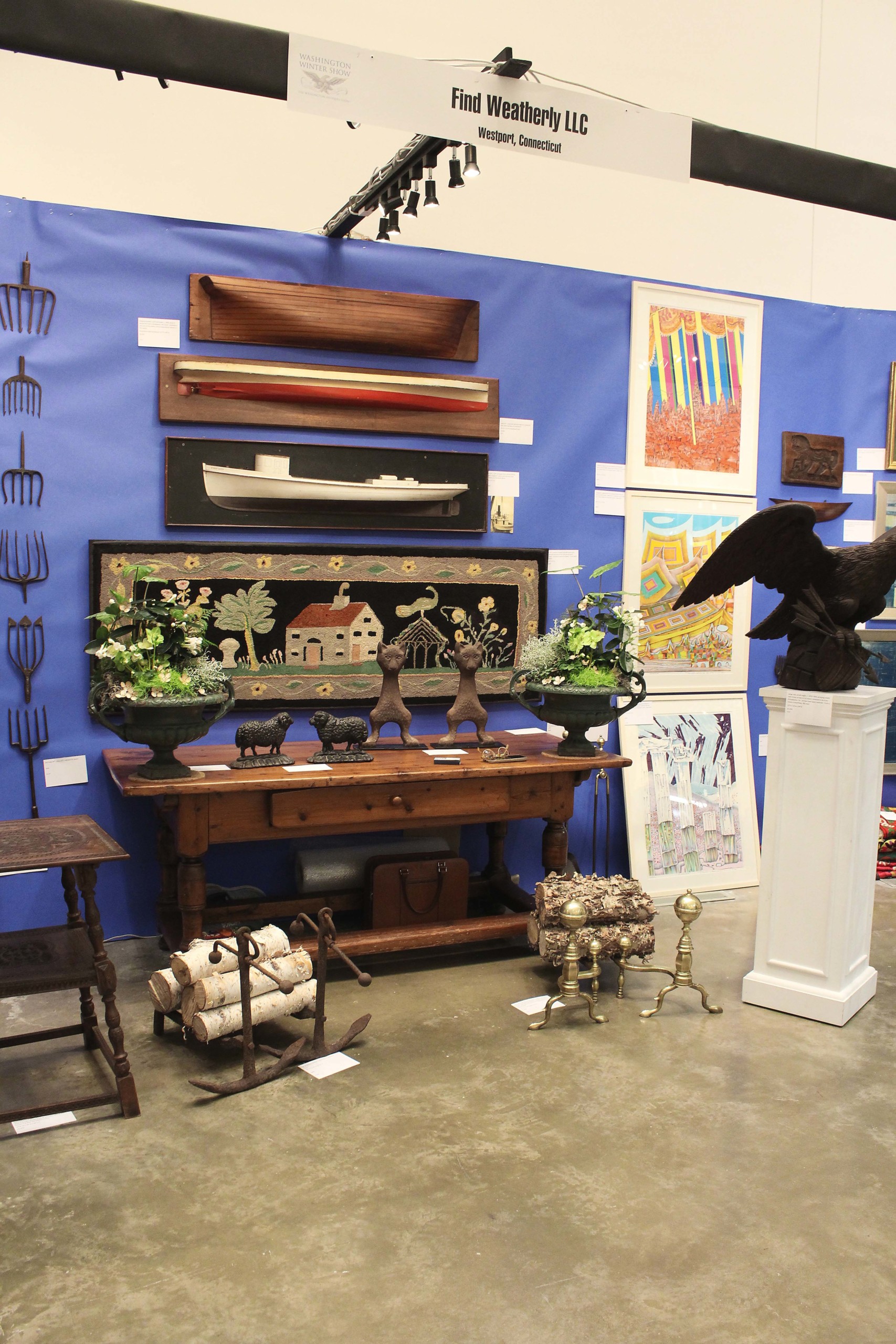
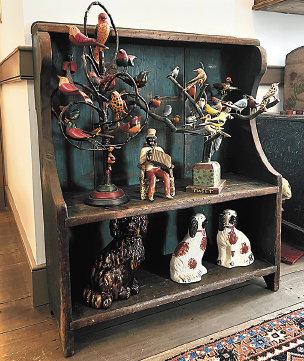
The show was rich in large statement pieces as well as choice “smalls.” In the latter category was “Fly Catcher” by Peter Kane, with A Bird in Hand Antiques, Florham Park, N.J. Dating to circa 1940-60, the 12¾-inch-tall figure retained its original polychrome paint and stood on a wood base. Kane transferred his lifelong interest in birds and sculpting skill honed by working in the family business into a passion for carving birds. Largely self-taught, the artist depicted a fly catcher on a metal pine branch with a quizzical look on its face as its head turned with a fly firmly secured in its beak. Find Weatherly of Westport, Conn., displayed a much larger and more fearsome bird — a large oak carved eagle, circa 1870-90, grasping a shield with three arrows in his talons. The eagle measured an impressive 22 inches tall by 32 inches wide by 36 inches deep.
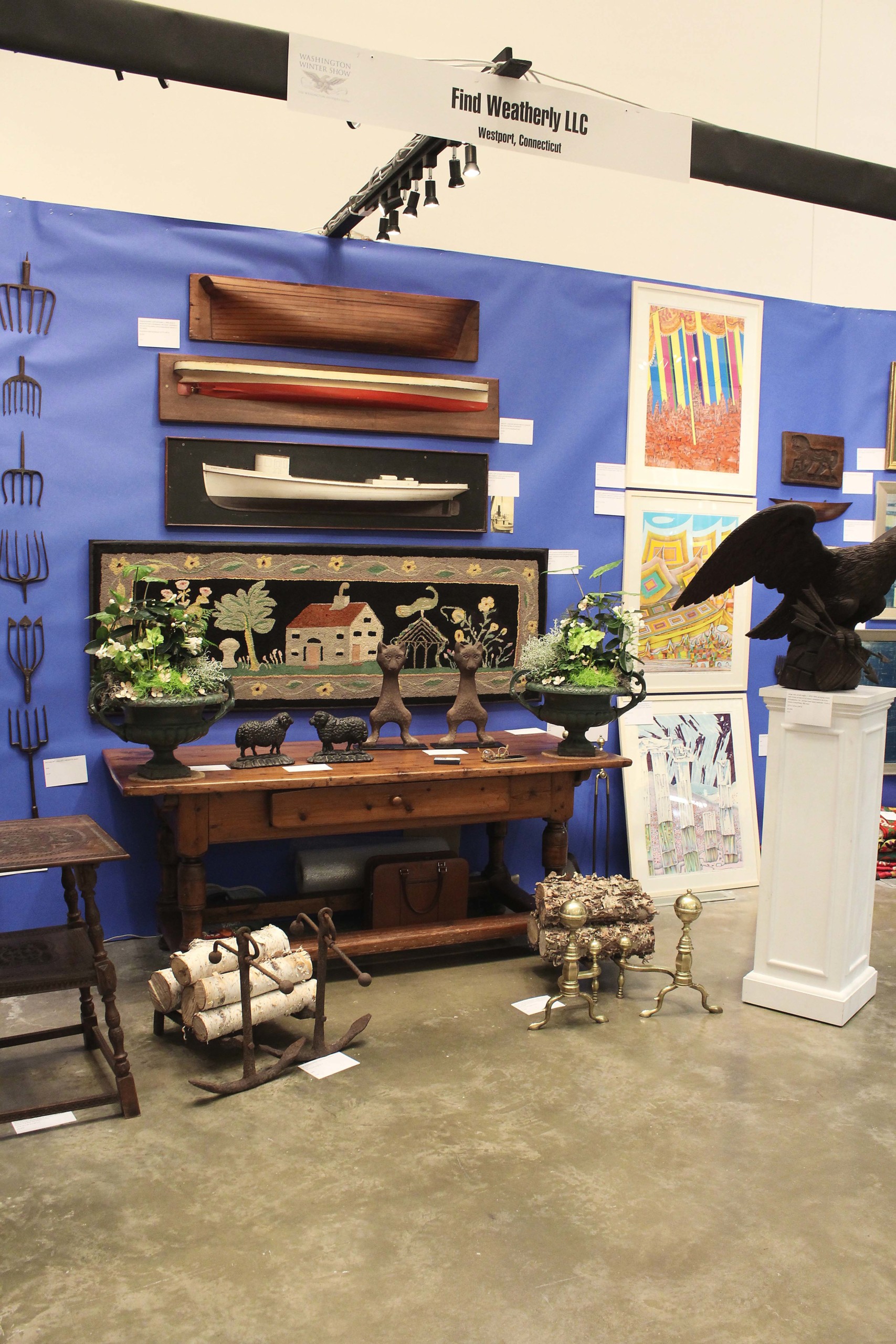
Find Weatherly, Westport, Conn.
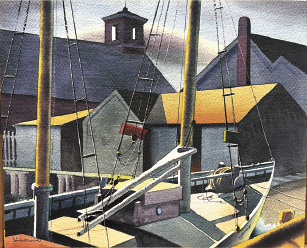
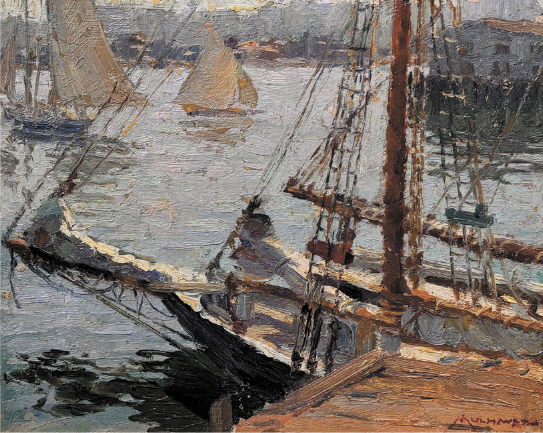
Nautical paintings were the focus of Orleans, Mass.-based Garvey Rita Art & Antiques, which displayed an Arthur Watson Sparks oil on board titled “Afternoon-Martigues,” one of several views he did of this port, and a fine China trade ship portrait titled “D. Marcy, 1864,” in its original Chinese Chippendale frame. The D. Marcy was built by Portsmouth, N.H., shipbuilder Daniel Marcy.
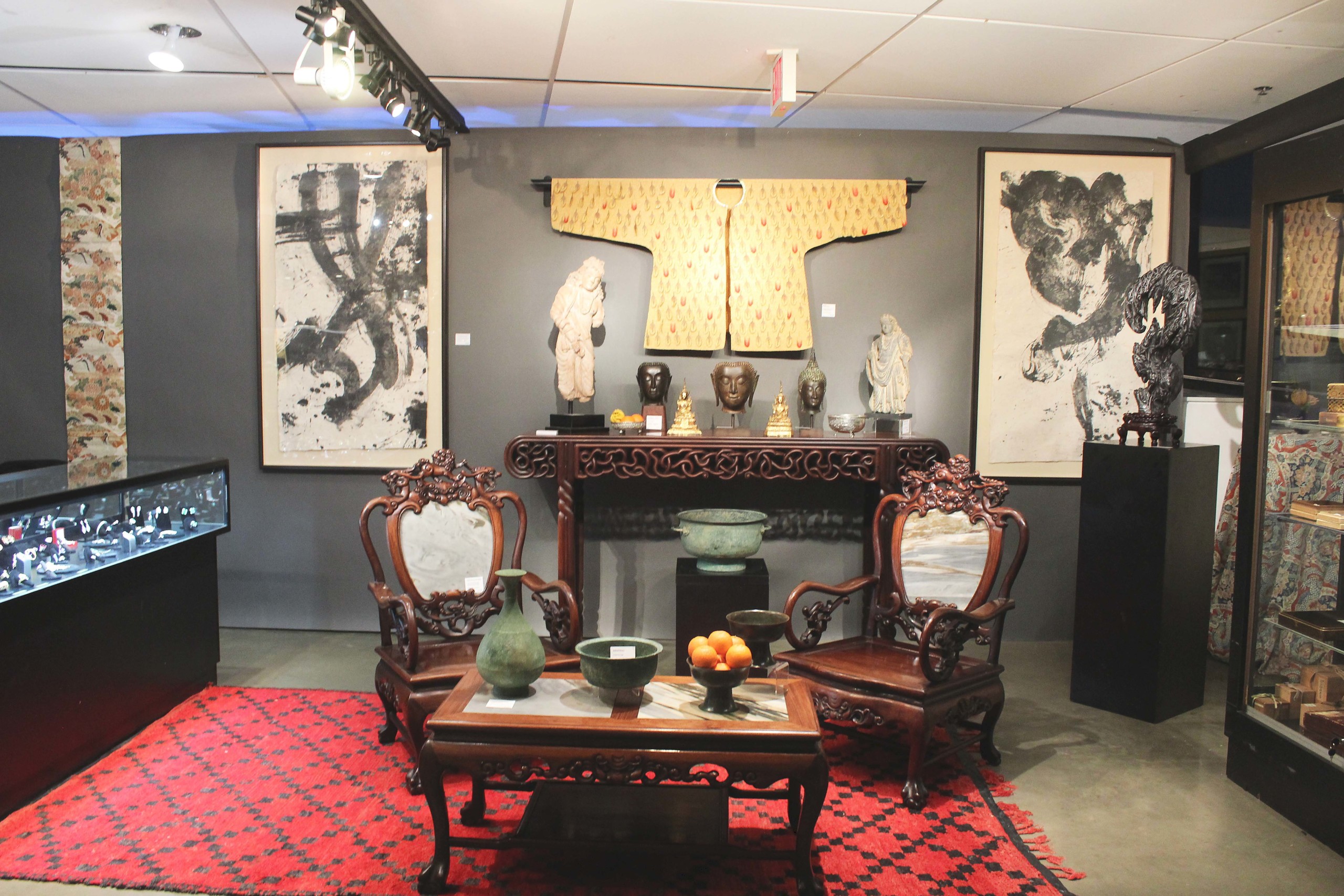
The DC hub is very internationally-minded, so China trade and European items are often sought after at shows in the area. Resser-Thorner Antiques, Manchester, N.H., presented for consideration a China trade oil on canvas painting, “Huntress,” still in its original China trade frame, depicting the Newburyport-built schooner, which took its last voyage from the Congo River to Louisiana in 1865. Elsewhere at the show, which occupied all three floors of the venue, the Austin-based Lotus Gallery featured a pair of early Twentieth Century carved hardwood chairs and table from China that had dream stone insets, and a cast bronze hand of Buddha in the U-Thong style, Fourteenth-Fifteenth Century, Thailand.
London dealers Gladwell & Patterson brought a European aesthetic to the show with paintings like Belgian artist Modest Huys’ “The Harvest,” French post-Impressionist painter Georges Charles Robin’s “Cazals, Le Vieux Moulin” and landscape painter Pierre Eugene Montezin’s “Vue de Village.” Lest one think the dealers were eschewing American artists, a striking oil on canvas by American Classical Realist painter Paul S. Brown, titled “Terroir,” was also prominently displayed.
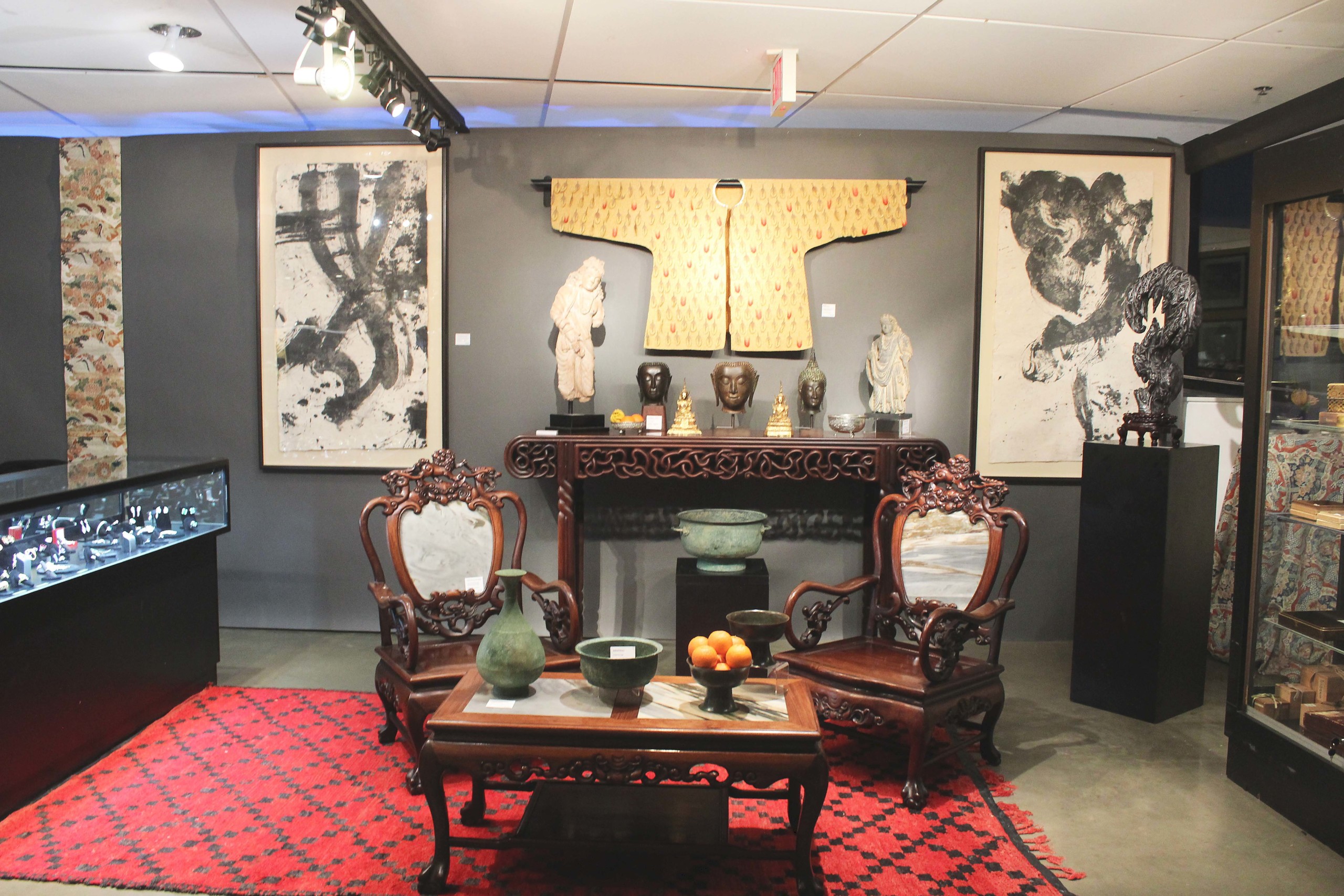
Lotus Gallery, Austin.
It’s no secret that the market for furniture has seen its share of ups and downs, but exceptional pieces will always impress. A fine candidate in the booth of Jayne Thompson Antiques, Harrodsburg, Ky., was a sublime Gothic Revival oak cabinet. It had recessed shelving flanked by a pair of cabinet doors in the upper half. The lower half featured a bank of doors with cupboards and drawers on each end. Boasting fine Gothic-inspired moldings, the circa 1860 piece had four Green Men carved above each pilaster as well as unusual rosettes.
Making our way around the show, we also spied a fine satinwood George II secretary with period decorated surfaces having been meticulously preserved on offer at R.M. Worth Antiques, Centreville, Del. Swiss Neoclassical painter Angelica Kauffman was famous for her historical paintings but her designs were also added to furniture, usually in collaboration with Robert Adam. The painting on this piece was attributed to her.
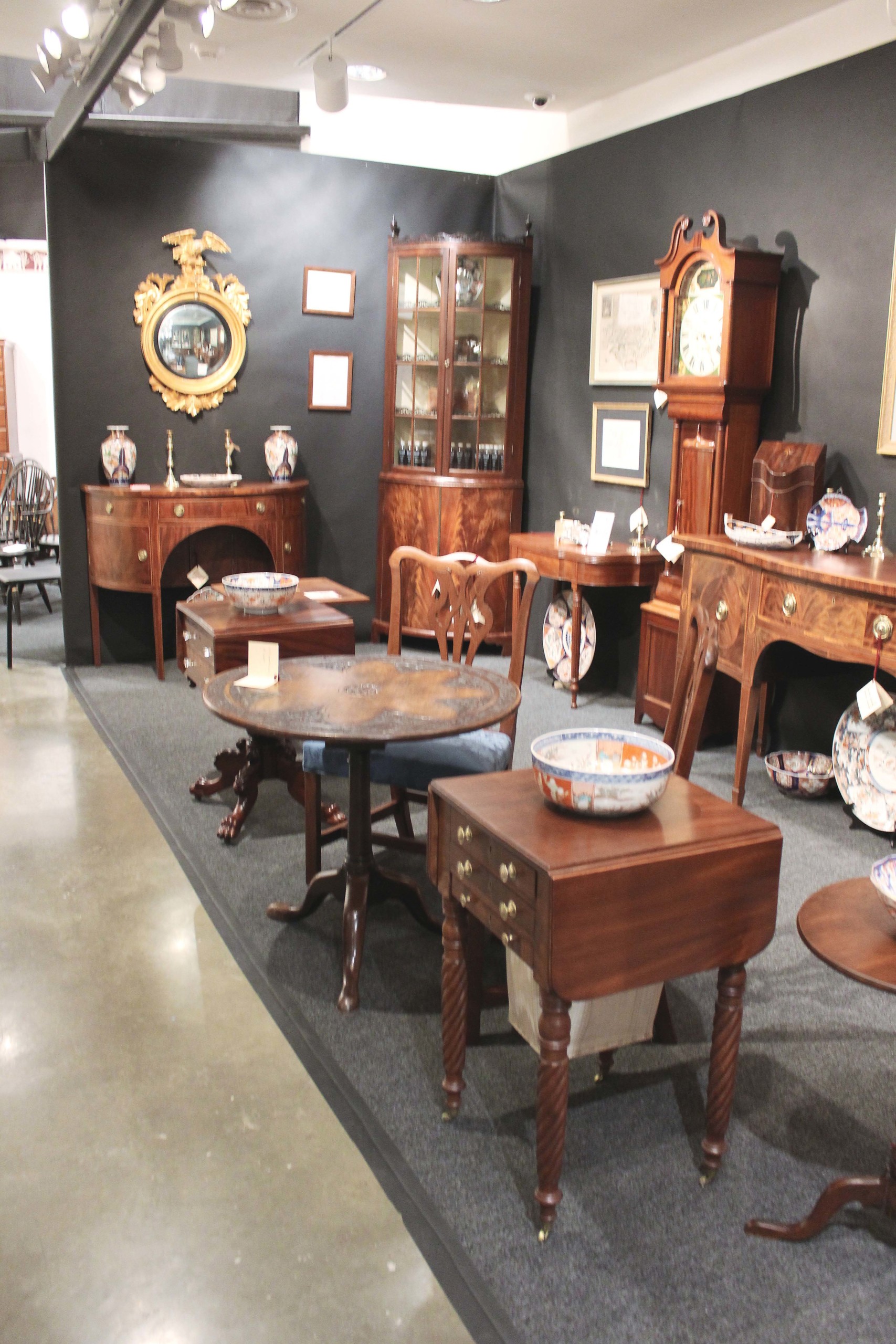
English furniture was sprinkled all around the show, and a determined bidder could easily fill a house in style from shopping this show. Alan Christopher Antiques of Spartanburg, S.C., showed a circa 1740-50 burled walnut highboy and a set of four circa 1790-1800 mahogany Hepplewhite shield back armchairs. Woodbury, Conn., dealer G. Sergeant Antiques offered a Hepplewhite period, harewood inlaid Pembroke table having a serpentine top on tapered square legs. The circa 1770-80 table had inlaid decoration featuring honeysuckle and vine patterns. The Ann Parke Collection, out of Darien, Conn., showcased a sophisticated George III mahogany breakfast commode inlaid with harewood and satinwood, having a crossbanded top that was centered with a fan motif and bellflower inlay. The circa 1775 piece evinced the best of the Neoclassical style in this era and married architectural form with graceful inlay work. And, there was also a choice grandfather clock, signed “H[enry] Daniel, Liverpool” in mahogany and with eight-day works in the booth of Gates Antiques, Midlothian, Va.
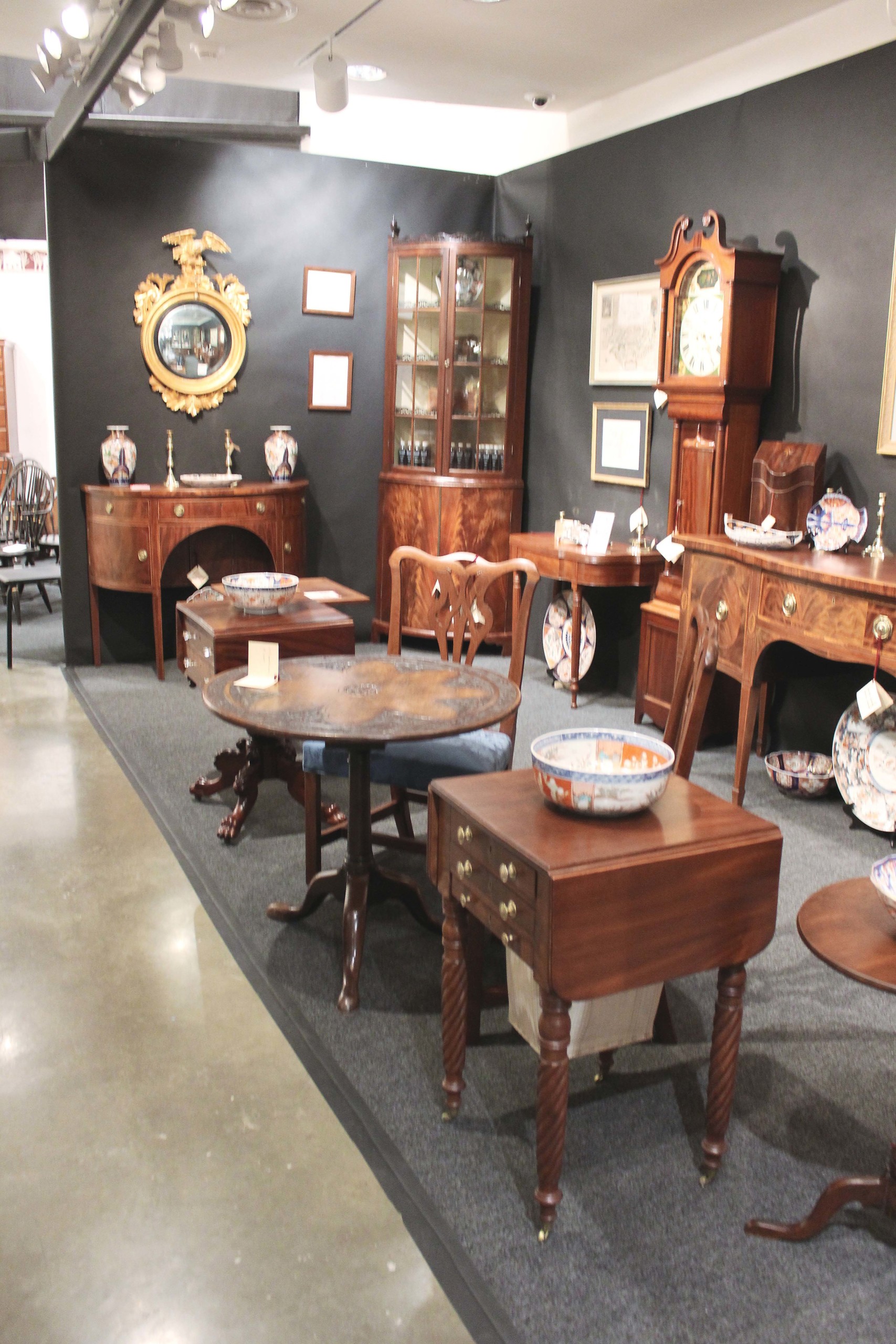
Gates Antiques, Midlothian, Va.
For those who prefer standout early American furniture, the booth of Nathan Liverant and Son, Colchester, Conn., never disappoints. Displayed up front with preeminence was the General McClellan set of six brace back Windsor armchairs, attributed to Lisbon, Conn., cabinetmaker Elijah Tracy (1788-1807), who hailed from a famous line of furniture makers. His father, Ebenezer Tracy, taught him the art of the Windsor chair. This set passed down in the family of Revolutionary War general Samuel McClellan of Woodstock, Conn. Looking for some art to display with these chairs? You couldn’t go wrong with a portrait of McClellan himself, executed by artist Ralph Earl, signed and dated 1797. The dealers also had a pair of fine 1825-35 portraits depicting Dr Lewis Leprilete Miller and his wife Electra Smith Miller of Providence, R.I. Attributed to Samuel Lovett Waldo and William Jewett, the portraits offered a rare view of the physician with his surgical tools; both pictures were in their original frames.
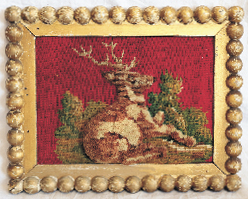
Early Twentieth Century Asian art was showcased with Janice Paull Antiques and Design, New Castle, Del., in the form of an embroidered and framed Japanese silk fukusa (gift covering) of the god Jurojin attended by a crane and stag to symbolize longevity, and another pleasing Japanese silk embroidery, late Meiji period, of a tiger and moon depicted with reeds in a landscape setting.
Other animal-themed works included George Armfield’s 1850 oil on canvas “Spaniels and Terrier,” which we found in the booth of David Brooker Fine Art, Woodbury, Conn.
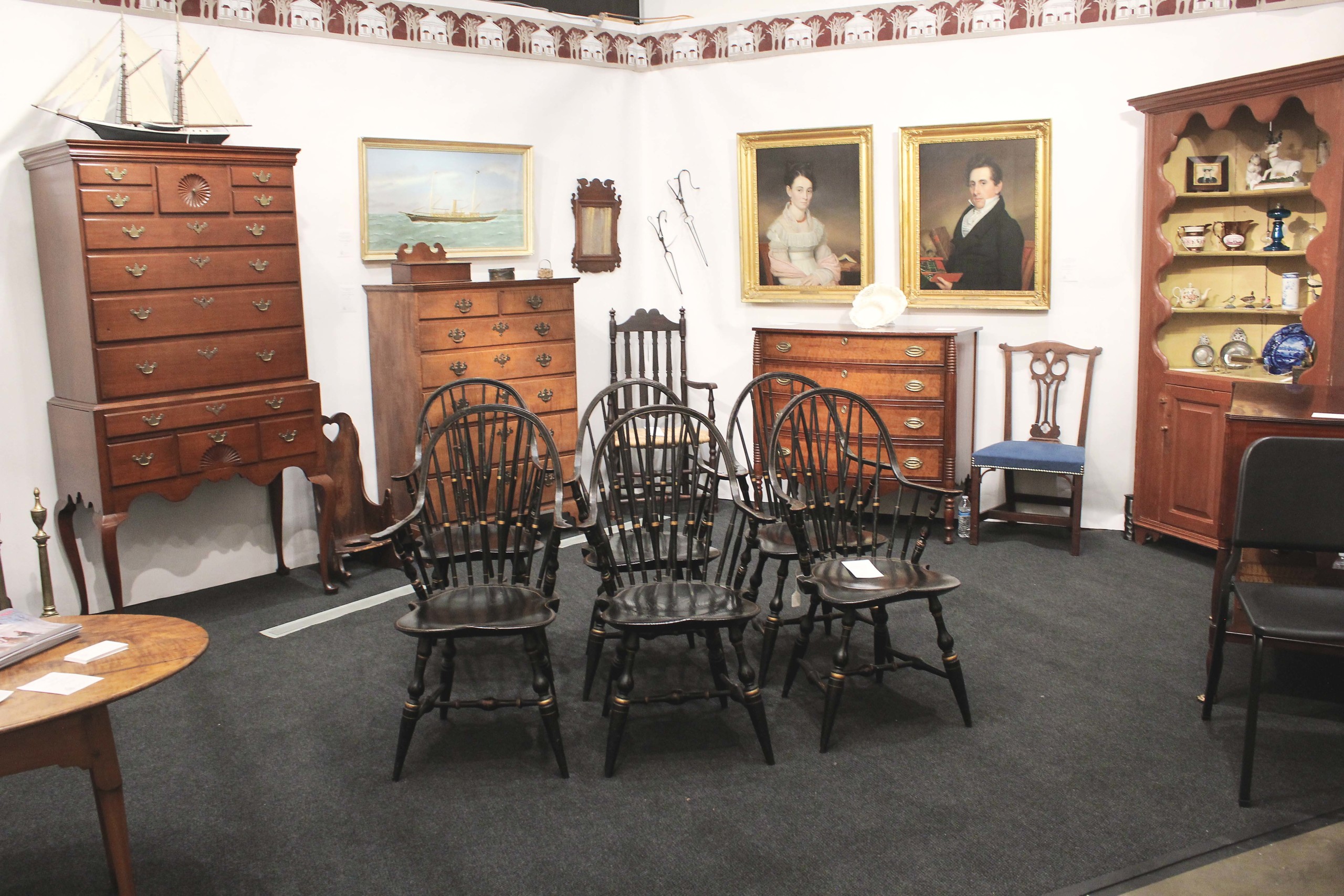
Nathan Liverant and Son, Colchester, Conn.
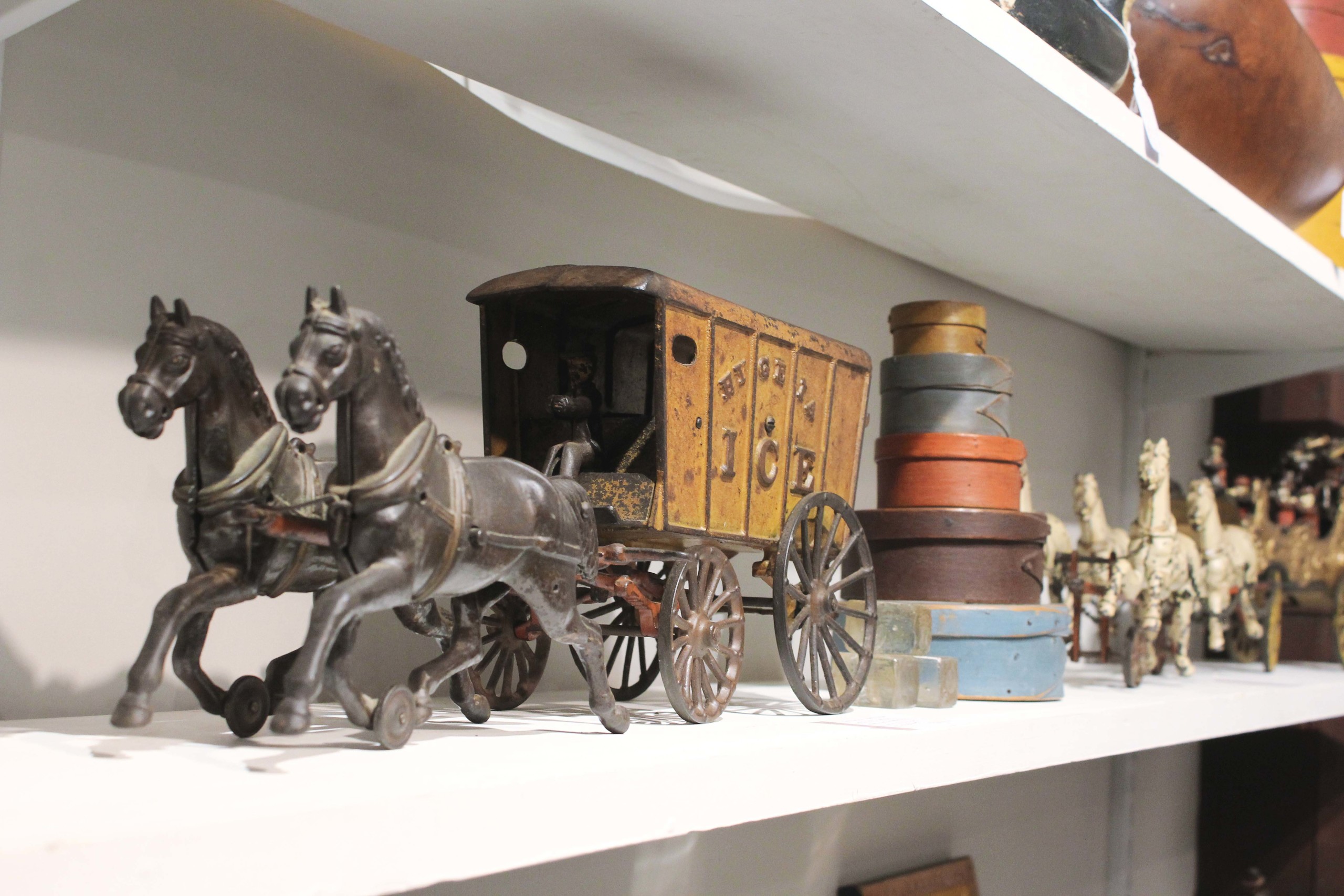
Scott Bassoff – Sandy Jacobs Antiques, Swampscott, Mass., filled their booth with a choice and varied selection of Americana and antiques, including a 1799 French memorial needlework that depicted family and friends gathered at a burial vault while an army official approached them. Notable was the piece’s exceptional condition and the inclusion of a phoenix rising in the sky. Also on offer with Bassoff and Jacobs were a carved wooden Lady Liberty with liberty cap, Nineteenth Century, ex-David Wheatcroft; and a rare and important Ives cast iron horse-drawn bandwagon retaining all its original figures.
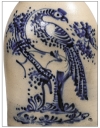
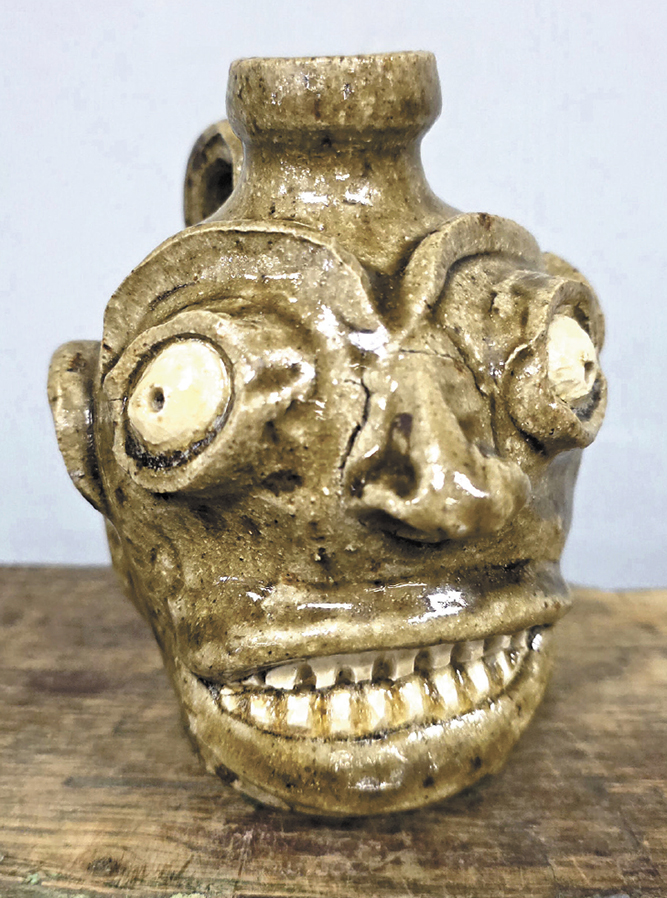
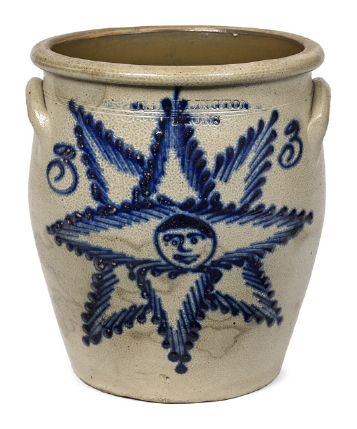
Also embracing Americana, Christopher & Bernadette Evans Antiques, Waynesboro, Va., featured choice 1- and 2-gallon stoneware jars with desirable slip-trailed decoration and strong color as well as a Southern folk art watercolor on paper depicting watermelons given the still life treatment, signed “I.R. Read/D. S. Myers.”
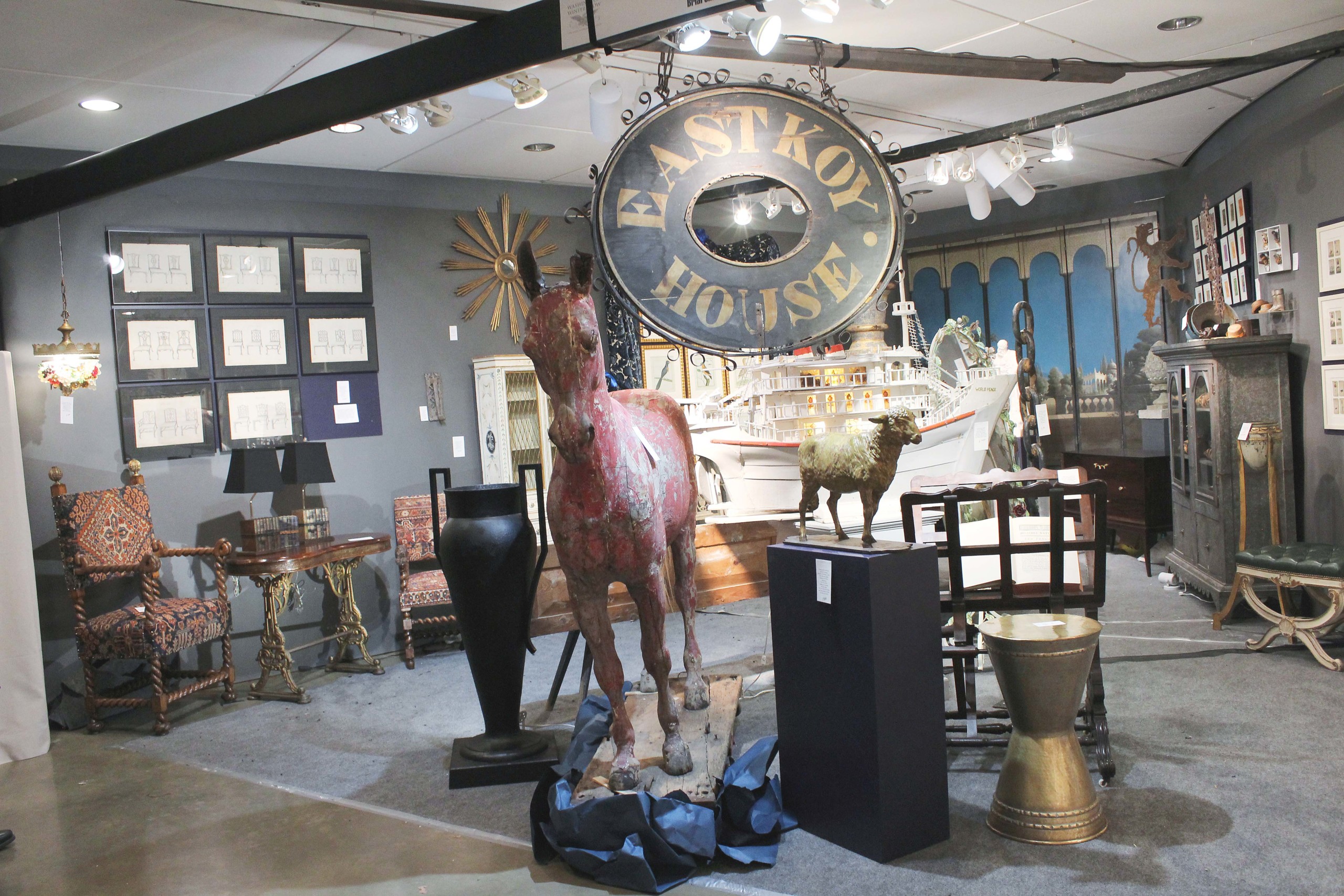
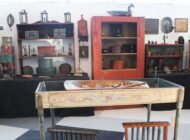
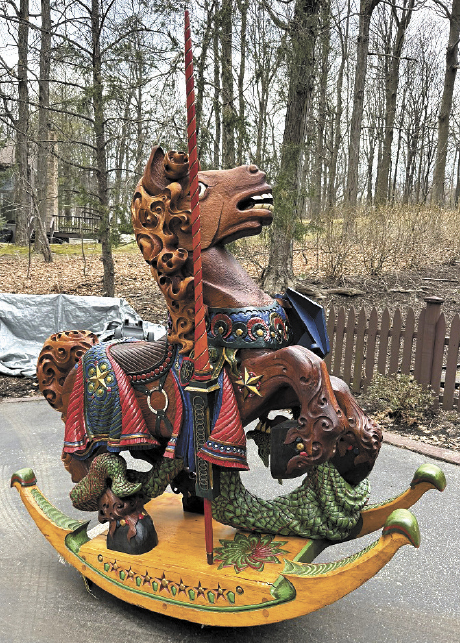
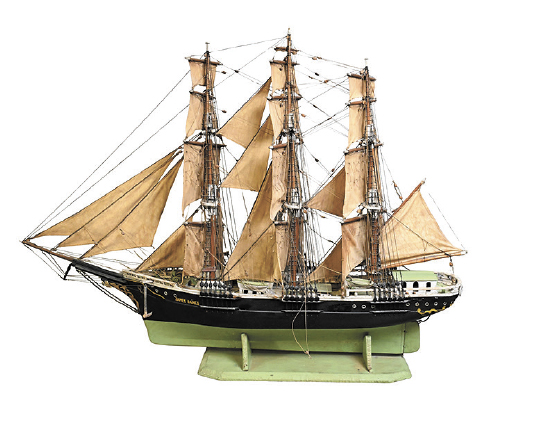
Period to Mod / Brennan and Mouilleseaux Antiques and Design also had choice Americana in their booth, which was artfully staged. Given pride of place up front as people entered the Briarcliff Manor, N.Y., dealers’ booth were a three-quarter size carved and painted horse figure, made in the Hudson River Valley, circa 1860-90, with very lifelike carving, likely once a display piece in a tack shop; a cast iron full full-bodied model of a sheep, circa 1880, retaining rich gilding and crisp details; and a well-made and large folky model of a steamship, circa 1920-40, found in New England. The ship’s interior lights, shining through the deck windows, had been rewired but were original.
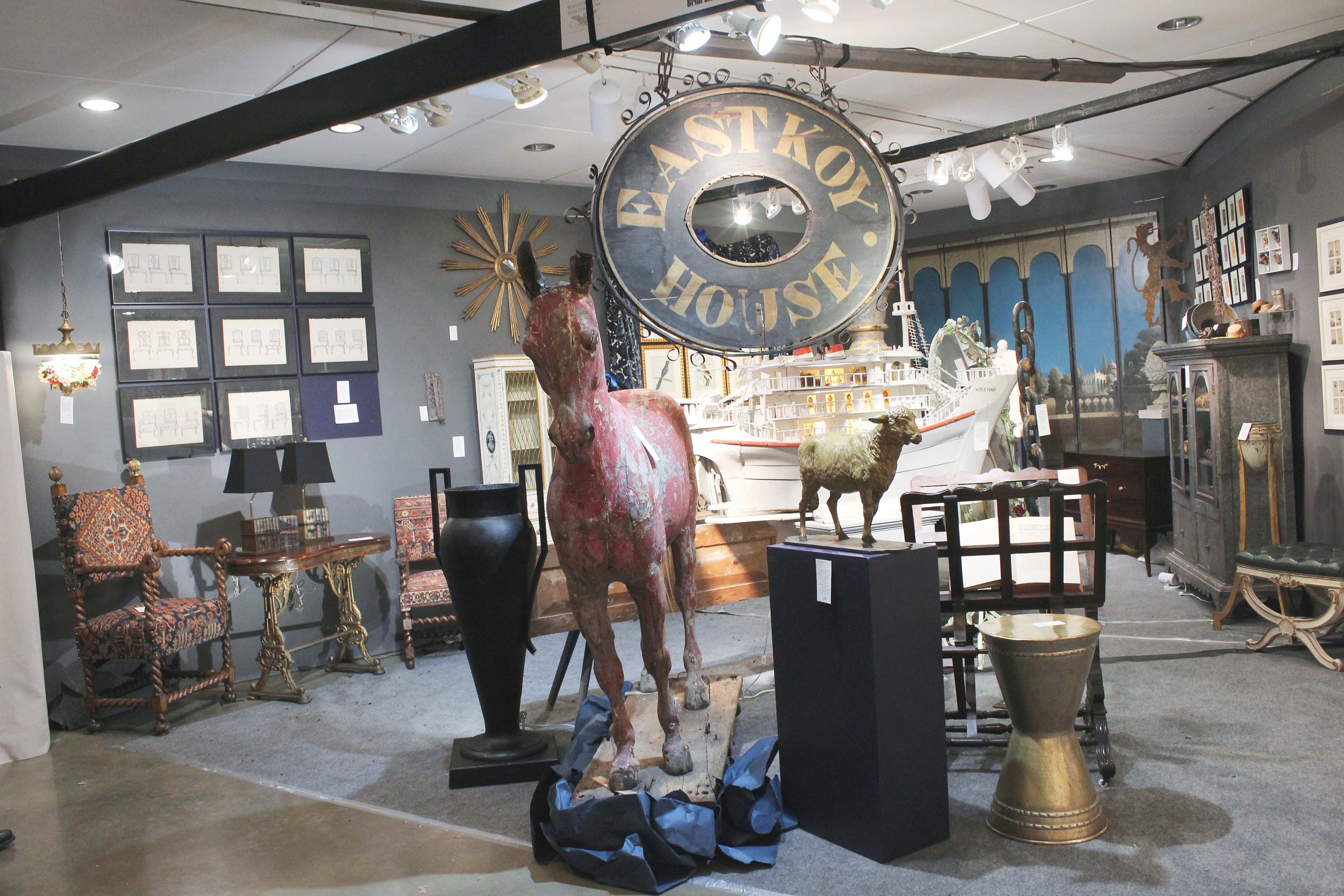
Period to Mod / Brennan and Mouilleseaux Antiques and Design, Briarcliff Manor, N.Y.
The parade of Americana continued in the booth of The Hanebergs Antiques, East Lyme, Conn., who displayed a rare large size of an Index Horse weathervane made circa 1855 by J. Howard, West Bridgewater, Mass. In excellent condition, the horse measured 30 inches long and 24 inches tall.
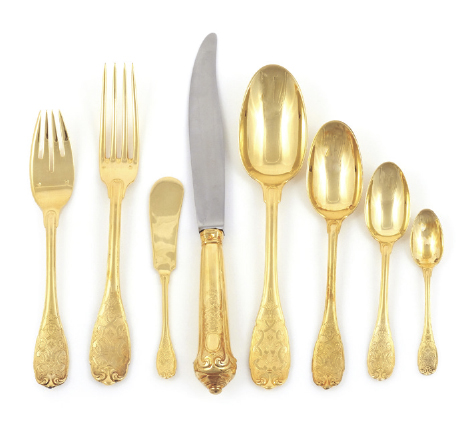
Buyers nearly had to squint upon entering the booth of Silver Art by D&R, Baltimore, which displayed a gleaming and well-curated selection of silver and dining wares, including a set of 12 Saint Crystal Thistle bowls; a set of 12 Sèvres-inspired French silver and porcelain plates by silversmith Henri Lapeyre, Paris, circa 1898; and a French silver table jardiniere and surtout by Odiot, Paris, circa 1895, with a total silver weight of 15½ pounds and having a Minerva hallmark.
In a booth nearby, Francophiles could enjoy a selection of French paintings on view from Antique French Fine Arts, Baltimore, led by an André Georges Barbier Impressionistic oil on canvas, “The Banks of the Seine River,” and Narcisse Guilbert’s “The Corneille Bridge in Rouen,” also oil on canvas. In the booth of Baltimore’s French Accents Fine Continental Antiques was an Eighteenth Century Louis XVI period chaise longue and a pair of Nineteenth Century Regence-style marquises in carved walnut with new upholstery.
As a nice complement to all the formal antiques on offer, there was a collection of toy vehicles that held good investment value and were likely to bring a smile to visitors’ faces in the booth of Rockland, Del., dealer Michael Paul Gunselman. A highlight was the 1926 American National chemical ladder truck with original paint, ladders and hose, made by the American National Corporation, Dayton, Ohio.
The show will return to the Katzen Arts Center next January. For more information, www.washingtonwintershow.org.